

Villa manager points to structure after another frustrating defeat
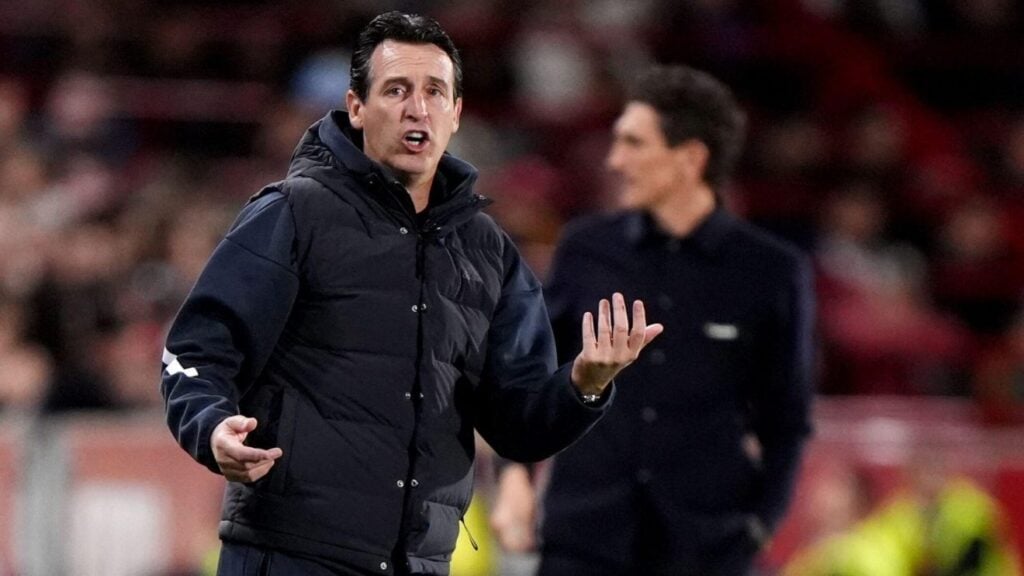
Unai Emery conceded Aston Villa are going through a difficult spell after another disappointing result, saying the team must accept its current level and work to recover it. Speaking after a flat evening, the Villa manager was far calmer than he had been following the defeat to Wolves, but his message was clear: something is not functioning as it should.
Emery repeatedly returned to one idea in his assessment, the need to rebuild the team’s structure. In his view, Villa were at their strongest when the system gave players confidence in their roles, both defensively and in attack. Now, he believes that base has weakened and needs to be examined again if the team is to improve.
Signs of life against Chelsea, but old problems remained
The defeats to Wolves and Chelsea unfolded differently, yet left a similar impression. Villa were passive for long stretches at Molineux, while against Chelsea they began with more energy and showed a better level in parts of the game. Even so, the overall result was the same, and the team still looked vulnerable.
Ollie Watkins, who has faced growing criticism, produced a more encouraging display and took one disallowed goal well. He also tested the goalkeeper with another decent effort in the first half. Villa may wonder how the game could have changed had they managed to regain the lead, but Chelsea were still the stronger side in the bigger picture.
The visitors repeatedly found space behind Villa’s high defensive line and were able to attack effectively through wide areas. That pattern added weight to Emery’s suggestion that the issue runs deeper than injuries or a few players being out of form.
Diagnosis accepted, solution still to come
Given Villa’s rise under Emery, it is understandable that he has trusted the players and ideas that brought success. Supporters, too, have continued to back his judgment because of the progress made since he took charge.
What has changed now is that Emery appears to have openly accepted there is a genuine problem. The next step is identifying exactly what must be altered and how quickly it can be corrected. That answer may not become fully clear until the team’s upcoming trip to Lille, but the focus has already shifted from denial to repair.